Archaeologists unearth Alaska's 14,000-year-old mammoth ivory workshop
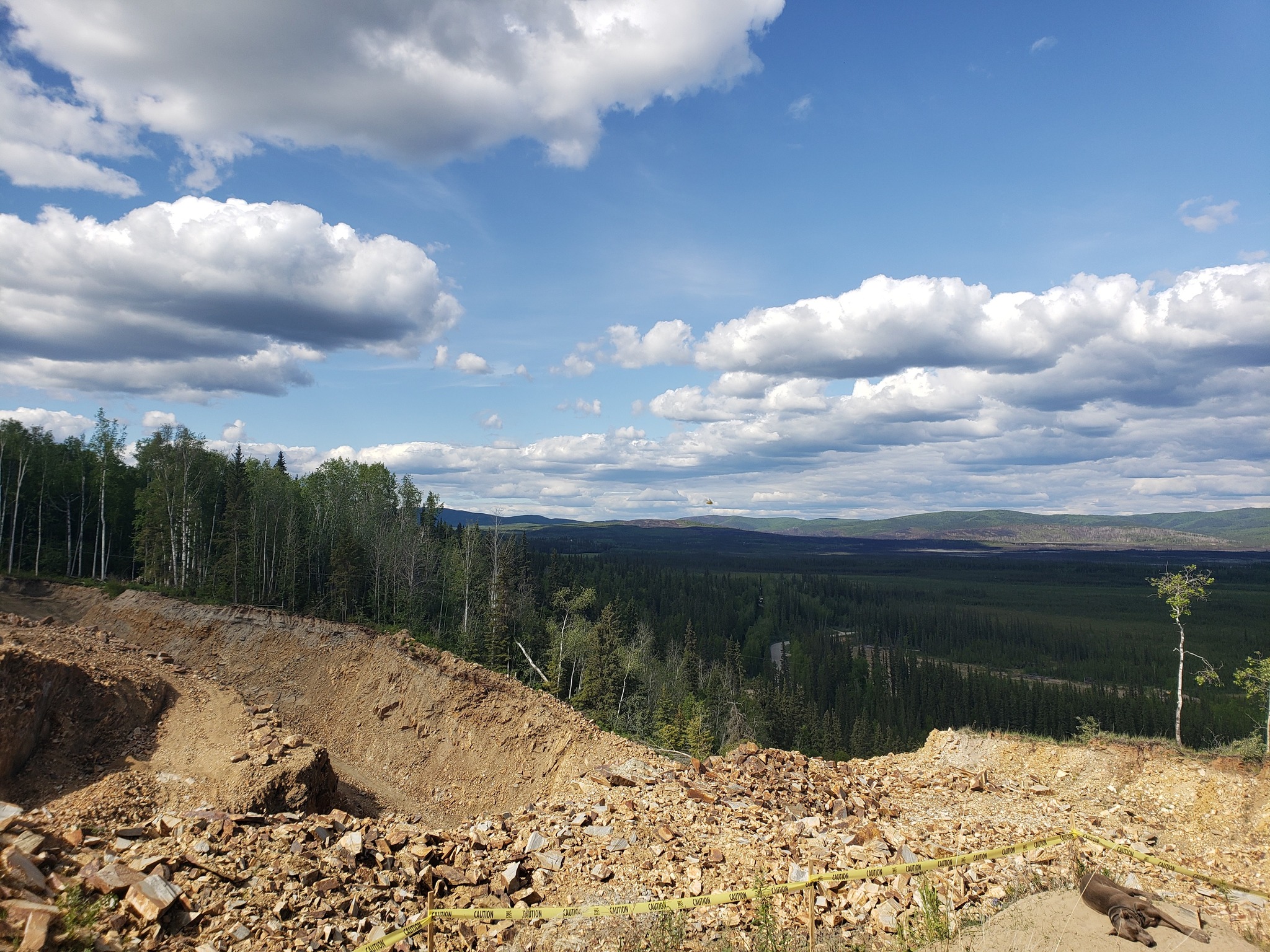
In a recent scientific paper, a team of archaeologists published on the discovery of a campsite and an “extensive” mammoth ivory “workshop” from nearly 14,000 years ago in Interior Alaska. The ancient Alaskans at the workshop produced “the earliest known ivory rod tools in the Americas”.
Published in the journal Quarternary International in December, the paper, Stone and mammoth ivory tool production, circulation, and human dispersals in the middle Tanana Valley, Alaska: Implications for the Pleistocene peopling of the Americas, is currently available online for free through Science Direct. The article’s lead author is Brian T. Wygal, Ph.D., professor of anthropology at Adelphi University. Wygal was joined on the paper by co-authors Kathryn E. Krasinski and Lillian Barber, also with Adelphi University, along with Charles E. Holmes and Barbara A. Crass from the Univesity of Alaska Fairbanks.
The archaeological evidence originated at the Holzman Site, located along the Shaw Creek in Interior Alaska. The immediate vicinity where the Shaw Creek meets the Tanana River is home to a number of deeply-stratified archaeological sites with cultural layers as far back as the Pleistocene (“Ice Age”), including the Mead, Broken Mammoth and the Carpenter Site. The area is approximately a half-hour drive along the Richardson Highway from the town of Delta Junction, Alaska.
A discovery of mammoth significance
The oldest layers at the Holzman Site date from 13,000 to 14,100 years ago. The mammoth ivory rods were found in a layer that dates from 13,700 to 13,300 years ago. The layer also included the remains of hearths and other animal bones along with evidence of what the authors call “ivory reduction and processing with an expedient quartz lithic industry”. In layman’s terms, this means they found evidence that the people at the site were using stone tools made of quartz to carve the mammoth ivory.
An older layer, dated from 14,000 to 14,100 years ago, contained more stone tools and animal bones along with a complete female mammoth tusk. DNA analysis on the tusk provided evidence of an interesting connection with Swan Point, another archaeological site in the region. It appears taht the mammoths from the two sites were “distantly related, perhaps from different herds, but with a common distant ancestor,” according to the paper.
The discovery also provides additional context for a hotly-debated issue within archaeology known as the “Peopling of the Americas” about how the first people arrived in the Americas. The authors believe the evidence from the Holzman Site supports the conservative view that people using a set of tools known as the “Clovis tradition” first entered southern Canada and the Lower 48 around 13,000 years ago after the “Ice Free Corridor” opened allowing passage out of Alaska. The authors conclude:
The process of ivory tool manufacture and ivory rod composite tools found at the Holzman site are among the earliest known in the Americas further demonstrating technological similarities with Clovis tradition further south. The Tanana Valley served as a focus for highly mobile megafauna hunters as they explored and settled into new areas of the mammoth steppe. It was their ancestors that eventually dispersed south of the continental ice sheets in the broader context of the peopling of the Americas.